
Dental trauma from accidents, sports injuries, or falls can result in fractured, displaced, or knocked-out teeth that require immediate endodontic attention. At Shore Endodontics, Dr. Ross Burman and our team are experienced in managing all types of traumatic dental injuries, working quickly to stabilize the affected teeth and preserve their vitality whenever possible for patients in Ocean and Monmouth counties.
If you or a family member has experienced dental trauma, contact Shore Endodontics immediately. Call Toms River at 732-349-9222 or Sea Girt at 732-893-8600.
Frequent Sources of Dental Injuries
Teeth are commonly injured as a result of:
- Slips and Falls: Particularly prevalent among young children and older adults
- Athletic Activities:Contact sports such as football, hockey, and basketball, as well as recreational activities, account for many dental injuries across Ocean and Monmouth counties
- Motor Vehicle Incidents:Collisions involving cars, motorcycles, and bicycles can cause extensive damage to the teeth and jaw
- Facial Impact: Any forceful blow to the mouth area can result in dental trauma
Biting Hard Objects: Accidentally crunching down on something rigid, such as ice, a popcorn kernel, or a bone fragment, can crack or fracture a tooth.
How Our Specialists Treat Trauma-Related Injuries
Your Emergency Visit: What Happens Next
Upon arriving at our office for an urgent dental injury, our endodontic team will:
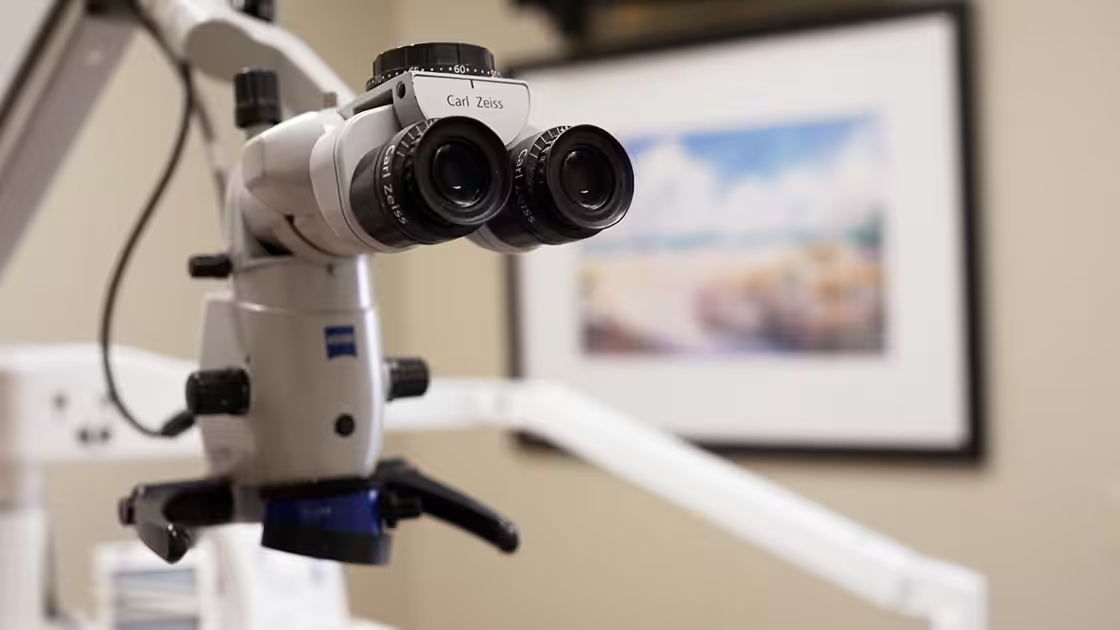
- Evaluate the Damage: We conduct a comprehensive examination using our Carestream CS8200 3D cone beam scanner and Zeiss microscopes to gauge the full scope of the injury.
- Manage Bleeding: Any active bleeding will be promptly controlled and stabilized.
- Alleviate Discomfort: We offer effective pain management, including sedation options such as nitrous oxide or IV sedation when appropriate.
- Develop a Care Strategy: A personalized treatment plan is created to address the unique aspects of your injury and preserve as much natural tooth structure as possible.
Ongoing Follow-Up: We may schedule subsequent visits to monitor healing and confirm the long-term health and stability of the affected tooth.
Preventive Measures
Although injuries cannot always be prevented, there are practical measures you can take to lower your risk of dental trauma:
- Use a Mouthguard: A properly fitted athletic mouthguard is vital for anyone involved in contact or high-impact sports.
- Buckle Up: Wearing seatbelts during vehicle travel greatly reduces the likelihood of facial and dental injuries in the event of an accident.
- Treat Compromised Teeth Promptly: Teeth weakened by decay, cracks, or prior damage are at higher risk of traumatic fractures and should be treated as soon as possible.
Looking for an endodontic practice in the